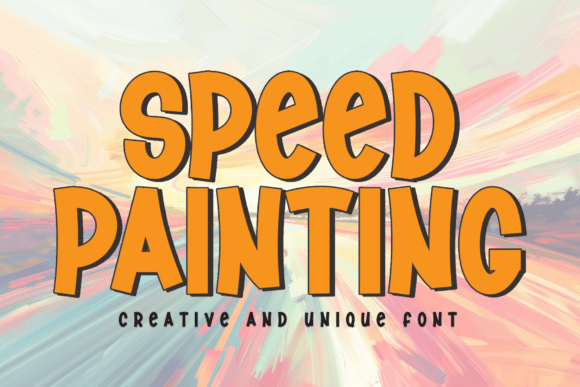
Speed Painting Font
Speed Painting is a hand-scripted display font that brings warmth and friendliness to digital design. With its cuddly and exciting nature, it’s ideal for web designers looking to add personality to their layouts while maintaining readability. Whether you're crafting a wedding invitation or building a brand identity, Speed Painting offers a unique visual language that stands out.
Speed Painting for Wedding Invitations and Elegant Branding
Speed Painting excels in creating a sense of intimacy and charm, making it a perfect choice for wedding invitations and other elegant branding projects. Its fluid strokes and organic shape evoke a personal touch that resonates with audiences. When used in headers or logos, it adds a human element that feels approachable and authentic. For web designers, this font can be a powerful tool in setting the tone for a brand that values creativity and emotion.
Pairing Speed Painting with a clean sans serif font like Open Sans or Lato can balance its decorative nature while ensuring legibility across different screen sizes. This combination works well for landing pages, portfolio sites, and online stores where both visual appeal and clarity are essential.
Using Speed Painting in Hero Sections and Call-to-Action Buttons
When incorporated into hero sections, Speed Painting can draw attention and create a memorable first impression. Its bold, flowing style makes it ideal for headlines that need to stand out without overwhelming the viewer. On call-to-action buttons, it can add a playful yet professional edge, encouraging user engagement without sacrificing readability.
For mobile-first designs, ensure that the font size is large enough to remain legible on smaller screens. Avoid using it on dark backgrounds or image overlays where contrast might be an issue. Instead, use it on light backgrounds or as a subtle accent to maintain visual harmony.
Speed Painting for Creative Portfolios and Digital Ads
Web designers and UI creators often rely on fonts that reflect their creative vision. Speed Painting is a great fit for portfolios that showcase artistic work, as it conveys a sense of movement and energy. It can be used in section headings, project titles, or even as part of a logo to reinforce a brand's artistic identity.
In digital ads, Speed Painting can help capture attention quickly. Its handcrafted feel adds a layer of authenticity that resonates with audiences looking for genuine connections. When paired with a modern sans serif for body text, it creates a balanced look that supports both aesthetics and usability.
Speed Painting for Online Stores and Product Landing Pages
For online stores, Speed Painting can elevate the visual appeal of banners, product titles, and promotional messages. It’s particularly effective when used in short phrases or taglines that highlight key selling points. Its friendly character helps build trust and encourages visitors to explore further.
When designing product landing pages, consider using Speed Painting for headline text and subheadings. This keeps the layout engaging while allowing more neutral fonts to handle the bulk of the content. Ensure that the font is available in multiple weights if possible, so you can adjust its prominence based on the design needs.
Speed Painting for Coaching Websites and Course Sales Pages
Coaching websites and course sales pages often require a font that feels trustworthy and inspiring. Speed Painting’s warm and inviting style can help establish a connection with potential clients. It’s especially useful for headlines that introduce a course or service, as it adds a personal touch that resonates with users.
For these types of sites, pairing Speed Painting with a serif font like Georgia or Merriweather can create a polished, editorial feel. This combination supports both readability and visual interest, making it easier for users to engage with the content.
Speed Painting for Blog Headers and Social Media Graphics
Blogs and social media graphics benefit from fonts that are both eye-catching and easy to read. Speed Painting can serve as a strong header font for blog posts, helping to guide readers through the content. Its expressive style also works well for social media visuals, where it can add a dynamic flair to captions, banners, and promotional images.
When using Speed Painting in social media graphics, keep the text concise to avoid clutter. Use it as a primary headline rather than for long paragraphs. This ensures that the font remains impactful without compromising readability.
Speed Painting for Brand Identity and Logo Design
Brand identity relies heavily on typography to communicate a company’s values and personality. Speed Painting is an excellent choice for logos that aim to convey warmth, creativity, and approachability. Its handcrafted appearance gives a brand a unique voice that stands out in a competitive market.
For logo design, consider using Speed Painting in a simplified form or with custom alternates to ensure it works well at different sizes. This font is also suitable for packaging design, where its expressive style can enhance the overall aesthetic of a product.
Speed Painting for Responsive Web Design and Multilingual Support
As web designers, we know the importance of responsive design. Speed Painting is optimized for various screen sizes, making it a reliable choice for websites that need to perform well on desktops, tablets, and mobile devices. Its legibility at smaller sizes ensures that it remains effective in all contexts.
If your audience includes multilingual users, check whether Speed Painting supports the necessary characters and diacritics. A well-rounded font should offer comprehensive language coverage to maintain consistency across different regions and markets.
Speed Painting for Commercial Projects and Licensing
When using Speed Painting for commercial projects, such as client websites, online stores, or digital templates, make sure you have the appropriate licensing. Many premium fonts offer commercial licenses that allow for use in a wide range of applications, including web design and print materials.
Always review the font’s license agreement before integrating it into a project. This ensures that you’re compliant with the terms and avoids any potential legal issues down the line. For designers working on multiple projects, having access to a font with clear commercial rights can save time and prevent complications.