Wonky Cartoon Font for Creative Makers
There I was, late on a Tuesday night, trying to finish up a candle label design for my shop. The client wanted something whimsical, something that felt handcrafted but still looked professional. I opened up my font library and scrolled through the usual suspects—clean sans serifs, elegant scripts—but nothing quite fit. Then I remembered: I had tested the Wonky Cartoon Font on a few projects, and it had a charm that just couldn’t be ignored.
Wonky Cartoon for Candle Labels and Handmade Packaging
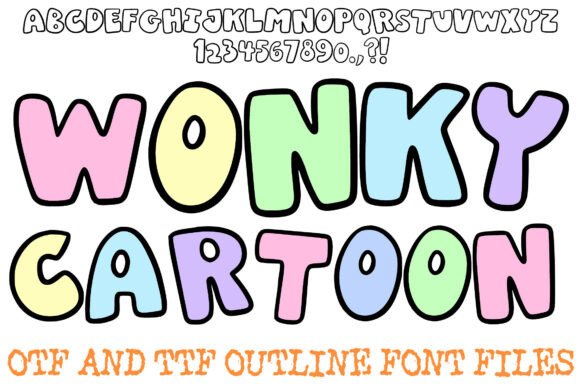
Wonky Cartoon is a display font with a playful, handwritten touch. It’s not the kind of font you’d use for a corporate logo or technical document. Instead, it thrives in the world of handmade products, where personality and character matter more than perfect symmetry. On candle labels, it brought a sense of fun and approachability that matched the cozy, artisanal vibe of the product.
I used it for a batch of soy candles with names like “Cozy Nights” and “Sunny Days.” The uneven lettering gave each label a slightly different feel, making them look like they were drawn by hand rather than printed from a template. It worked especially well when paired with a simple sans serif for the scent notes and ingredients, allowing the main text to stand out without overwhelming the design.
Wonky Cartoon for Greeting Cards and Seasonal Designs
When I created a set of holiday greeting cards for a small shop, I knew the font needed to feel festive but not too busy. Wonky Cartoon fit perfectly. Its bubbly, doodle-like style added a light-hearted energy that made the cards feel more personal and less mass-produced.
I used it for the main message on the front of the cards, paired with a classic serif font for the address and closing. The contrast between the two styles created a nice balance—modern yet nostalgic, playful yet polished. It also worked well on seasonal signs, like a “Welcome” board for a fall market or a “Happy Birthday” banner for a party.
Wonky Cartoon for Digital Printables and Printable Wall Art
For digital printables, such as printable wall art or planner pages, Wonky Cartoon adds a unique flair that stands out from generic templates. I designed a set of “Farmhouse Quotes” for a printable shop, and the font gave each quote a quirky, artistic edge that customers loved.
The font’s irregular shapes and bubbly details made it ideal for decorative wording, like “Bloom Where You Are Planted” or “Coffee & Conversation.” It also worked well when combined with simple illustrations or borders, creating a cohesive, handcrafted aesthetic that felt fresh and original.
Wonky Cartoon for Tote Bags and Merchandise
On tote bags, Wonky Cartoon transformed plain white fabric into something eye-catching and expressive. I used it for a line of “Good Vibes Only” totes, and the font’s uneven lines gave each bag a slightly different look, reinforcing the idea that it was made by hand.
It also worked well for custom t-shirts and mugs, where the font could be printed in bold, eye-catching sizes. The key was to keep the text short—names, slogans, or single words—so the font didn’t get lost in the design. For longer phrases, I found that pairing it with a clean, modern font helped maintain readability without sacrificing style.
Wonky Cartoon for Wedding Invitations and Stationery
One of the most surprising uses of Wonky Cartoon came when I tried it on a wedding invitation. The couple wanted something that felt personal and creative, not overly formal. The font’s playful nature complemented their rustic, farmhouse-style theme perfectly.
I used it for the event title and some decorative accents, balancing it with a simple serif for the details. The result was a mix of elegance and whimsy that felt true to the couple’s vision. It also worked well on save-the-date cards, thank-you notes, and welcome boards, adding a consistent visual thread throughout the wedding materials.
Wonky Cartoon isn’t for every project. It’s best suited for short phrases, titles, and decorative elements rather than long blocks of text. When using it on small stickers or labels, I recommend testing it at different sizes to ensure legibility. For cutting machines like Cricut or Silhouette, it works well for larger designs but may require adjustments for very tiny cuts or intricate details.